
Super Highway London to Amsterdam
Including Subsea Cable Scylla
Extending Our Dublin to London Super Highway
We’ve linked London to Lowestoft and with our new high capacity subsea cable system Scylla, connected to IJmuiden and onwards to Amsterdam.
This entirely new state-of-the-art fibre deployment includes a uniquely micro-routed sub sea cable burial, high performance modern fibre and optimised ILA spacing.
Key Features
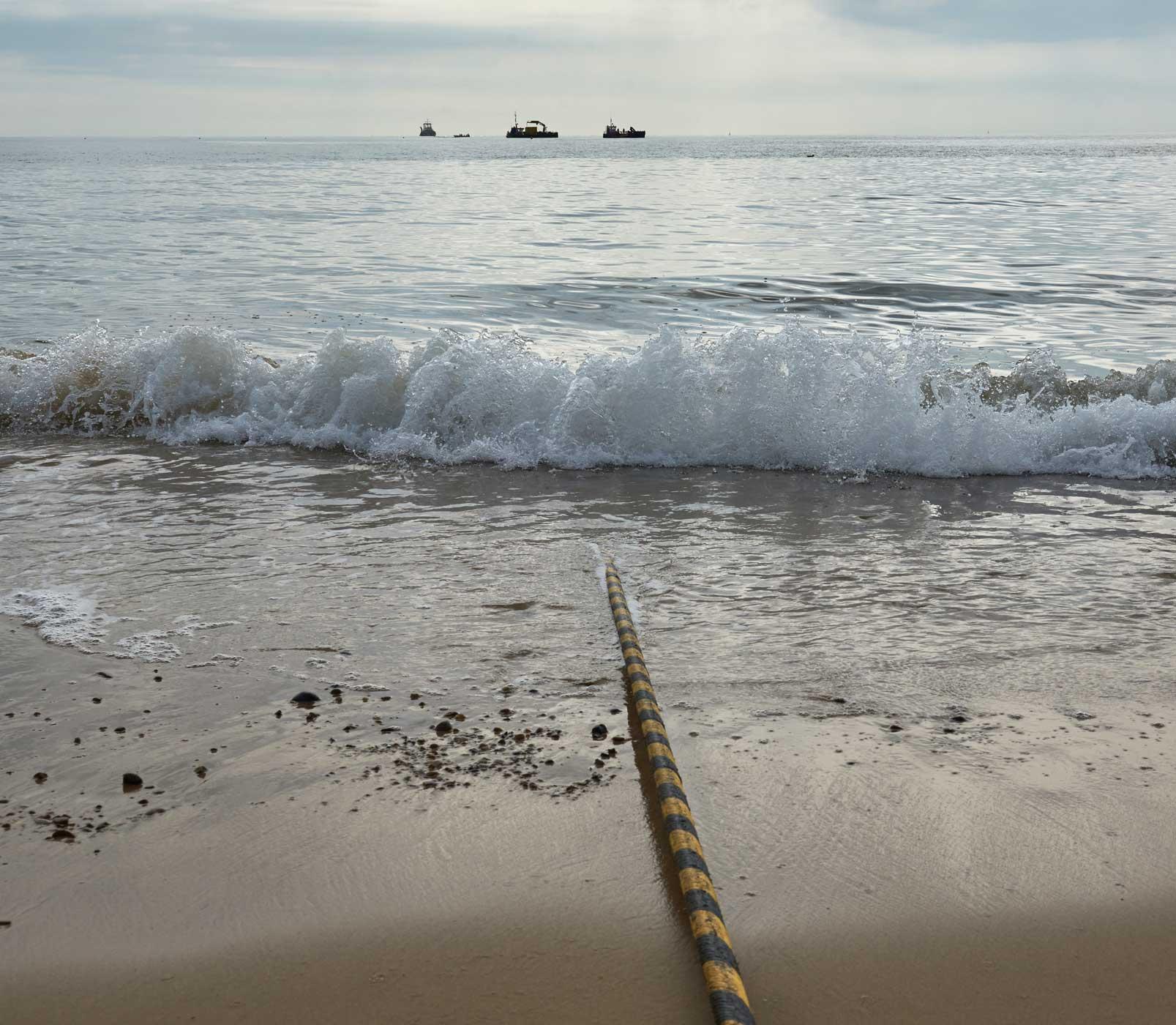
Scylla is one of the newest subsea systems between the UK and the Netherlands – a double-armoured sea cable, delivering ultra-low attenuation on a 211km unrepeatered system.
Scylla was laid using a jetted micro-routing burial approach, and is the only cable in the North Sea buried this way. Micro-routing follows the contours of the sea bed to lay the cable at their deepest point, with predicted sand wave movement further burying the cable over time.
Scylla’s micro-routed cable lay plan, combined with an agile, high-powered jetting system, delivered a cable burial depth of up to 3 metres and a route that is uniquely protected and distinct from other cables available in this region.
On land, this Super Highway is designed with optimal ILA spacing and low attenuation loss between amplifier sites, meaning fewer ILA sites compared to other routes in service. This low attenuation is critical to achieving the lowest cost per bit, directly driving greater bandwidth per fixed-cost transponder.
Modern fibre types plus a reduction in ILA sites meant less construction during deployment, fewer resources and less power consumption in service.
In addition, the technology used within the new ILA sites is new, with more efficient air conditioning using less power when cooling. This delivers a lower carbon footprint network.
End-to-end new fibre, both subsea and terrestrial including the backhaul.
A Unique Subsea Story
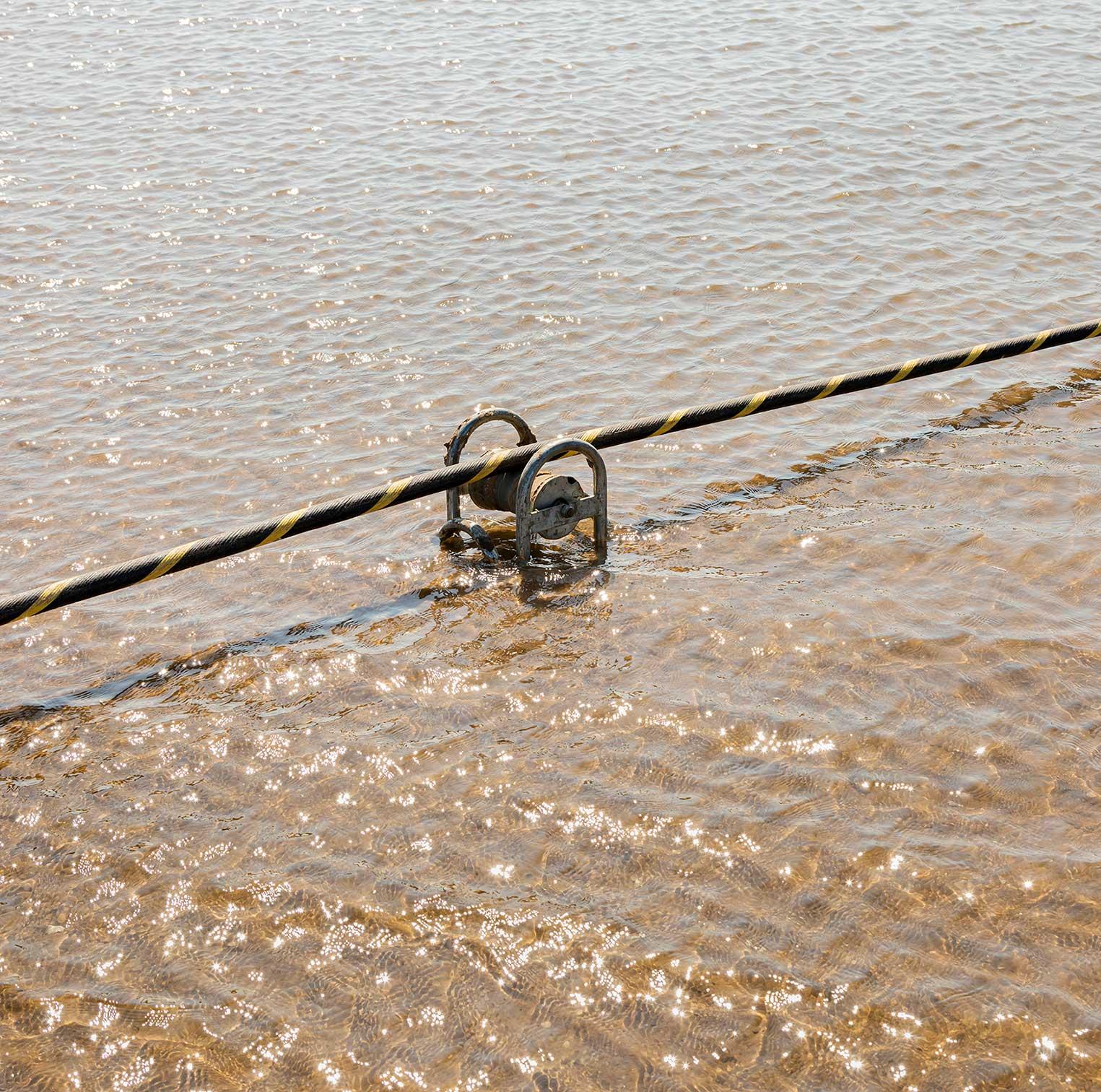
Our subsea cable Scylla is uniquely buried. Its micro-routed cable lay plan, combined with an agile, high-powered jetting system, delivers a cable burial depth of up to 3 metres and a route that is uniquely protected and distinct from other cables available in this region.
The micro-routing follows the contours of the sea bed to lay the cable at the deepest point, with predicted sand wave movement further burying the cable over time.
Two years on from Scylla’s deployment in 2021, a recent burial survey shows that the predicted sand wave movement has increased the cables’ already impressive average burial depth of between 2-3 metres, compared to 0.5-1.5 metres achieved by traditional methods.
This further enhances the systems resilience in a North Sea environment that is notoriously hostile and prone to cable strikes.
Super Highway Insights
An Innovative Subsea Cable Burial that Delivers Unique Benefits
Our subsea cable Scylla was laid using micro-routing – following sand wave contours on the sea bed to provide a deeper, more secure burial that naturally increases over time.
A Network that Supports Pioneering Research for the Future of Communication
Our Super Highway subsea cable Rockabill was used as the location for cutting-edge quantum communication research across the Irish Sea.
New, Unique Routes Connecting Key European Cities
We design uniqueness and diversity into our Super Highways, addressing the demand for new fibre connectivity between cities and data centres across Europe.
Re-imagining Long Haul Network Design
Our Super Highways aren’t constrained by the limitations of legacy fibre types. This gives us the ability to re-think how a long haul route is best designed.